


















































Real Estate Considerations for Opening a Restaurant Franchise in Canada
Real Estate | Aug 05, 2026
When prospective franchisees begin exploring food franchise opportunities in Canada with MTY Group, one of the first questions that comes up is how the location process works. Where your restaurant opens is one of the most consequential decisions in the entire franchising journey. Understanding how site selection, lease negotiation, and location approval work can help you prepare for that conversation before you submit an inquiry.
Why Location Matters in a Restaurant Franchise
Location influences nearly every aspect of how a restaurant operates day to day. Visibility from main roads, accessibility for customers, parking availability, and foot traffic all shape how a restaurant connects with its community. These are not abstract considerations. They are practical factors that influence whether people find you, choose to stop, and come back.
Beyond the operational side, real estate decisions carry significant financial weight. Opening a franchise location involves upfront costs that include build-out, equipment installation, and leasehold improvements. Ongoing costs include base rent, common area maintenance charges, and other occupancy expenses that will form part of your operating structure for the duration of your lease.
Both franchise and independent restaurants rely on strong site fundamentals. MTY Group sets brand-specific criteria for each restaurant concept, and any proposed site must meet those standards before it can be confirmed. The franchisor’s site approval is a required step in the process, not a formality.
How Franchise Site Selection Works in Canada
Franchisee-Proposed Locations
One of the questions we hear often is whether a franchise candidate can bring their own location to the table. The answer is yes. If you have identified a site you believe could work, you are welcome to propose it. However, any site you bring forward will go through MTY Group’s review and approval process before it can be confirmed.
Our real estate team assesses proposed locations against defined criteria that include commercial viability, brand fit, zoning requirements, and access to the services a restaurant operation requires. A site that looks right at first glance may need to be evaluated against factors that are not always visible in an initial walkthrough.
Franchisor-Sourced Locations
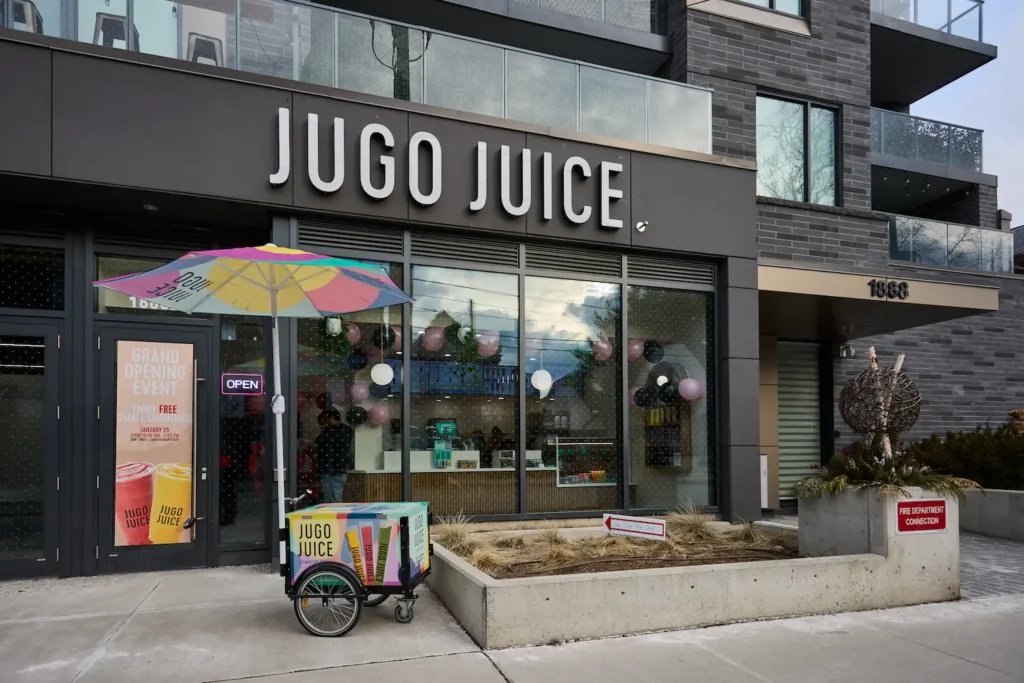
Not every franchise candidate arrives with a specific property in mind, and that is entirely normal. MTY Group’s real estate team works with a network of landlords and real estate agents to identify and vet sites on an ongoing basis. These include new builds and existing units that have been reviewed for suitability before being presented to a franchise candidate.
If you are open to working through the location process collaboratively, our team can bring forward options that have already been assessed against the criteria relevant to your chosen brand.
Using a Property You Already Own
Some candidates come to us with a building they own or control and want to know whether it can be used for a restaurant franchise. Our real estate team will review the property against MTY’s location criteria. If the building meets the physical and zoning requirements for a restaurant operation, the team will assess whether it is suitable for the specific brand being considered.
Owning a building does not automatically qualify it as a franchise location. The same review process applies regardless of how the site is being brought forward.
What Criteria Determine a Suitable Franchise Location?
MTY Group evaluates a range of factors when reviewing any proposed site. These are not a ranked list or a formula for approval, but they reflect the areas our real estate team considers when assessing commercial viability.
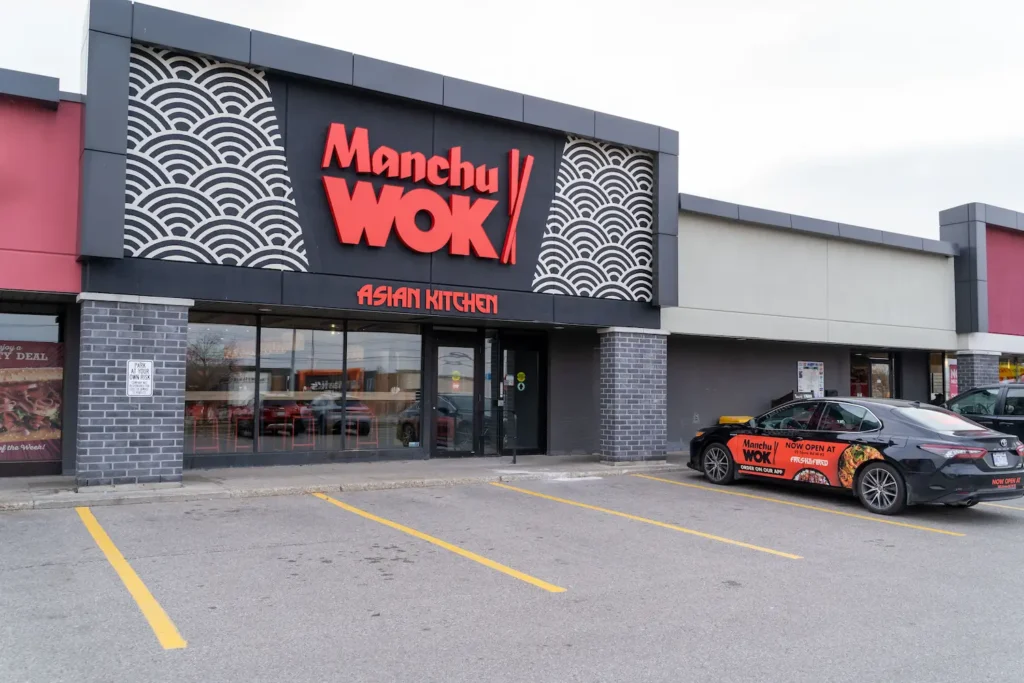
Visibility and accessibility matter because a site that is difficult to find or reach may present challenges regardless of other qualities. Proximity to the target customer base and an understanding of nearby competition, both direct and indirect, inform whether the market context is appropriate for the brand in question.
Physical size and layout determine whether the unit can accommodate the brand’s operational requirements. Not every available space can support a restaurant. Zoning and permits confirm whether a food service operation is permitted at a given address under local bylaws and building codes.
Parking and foot traffic are evaluated in the context of the brand’s format. A food court location and a freestanding drive-thru have different requirements, and both need to be assessed on their own terms. Rental cost and service installation costs, including plumbing, ventilation, and electrical, are reviewed in relation to the operational requirements of the specific brand.
The Role of a Feasibility Study
A restaurant feasibility study is a tool that assesses whether a specific location is commercially viable for the intended concept. In a franchise context, it serves two purposes: it informs the franchisee’s own understanding of a site, and it supports the franchisor’s site review process.
A thorough feasibility study typically examines trade area demographics, foot traffic data, competition mapping, and viability. It gives both parties a shared reference point when evaluating a site.
Conducting independent due diligence, including a feasibility review, is a standard part of responsible site evaluation. It provides a layer of analysis that goes beyond what can be observed in a site visit and is a reasonable step before making any significant commitment.
Understanding Your Commercial Lease
Who Negotiates the Lease?
MTY Group’s designated real estate team assesses the commercial lease alongside a network of brokers. This means you are not navigating that process on your own, but it does not replace the need for your own review of the agreement.
We strongly encourage all franchisees to seek independent legal advice from a franchise lawyer before executing any lease agreement.
Key Lease Terms to Understand
Lease agreements for franchise restaurant locations typically include several components worth understanding before you reach that stage.
The lease term length and renewal options determine how long your occupancy is secured and on what basis it can be extended. MTY’s standard franchise agreement term typically aligns with the restaurant lease term, which is generally ten years.
Base rent and any percentage rent provisions define how your monthly occupancy cost is structured. Estimated common area maintenance charges cover shared costs within the property. Permitted use clauses specify what the space can be used for, which matters particularly in multi-tenant properties. Assignment and subletting rights govern what happens to the lease if the franchise is transferred.
Lease terms vary by landlord, site type, and province. A franchise lawyer can help you understand what the specific terms mean for your situation.
Site Types in a Multi-Brand Franchise Network
MTY Group’s portfolio spans formats that operate across a range of real estate types. Understanding the variety available can help you think through which format aligns with your investment profile and operating preference.
Street-level units in neighbourhood retail corridors offer direct community access and visibility. Food court locations in enclosed shopping centres place a brand within a high-traffic dining environment. Non-traditional sites, including airports, universities, hospitals, and transit hubs, follow different traffic patterns and operational requirements. Conversion units allow an existing restaurant space to transition to a new brand, often reducing build-out complexity. New builds in mixed-use or commercial developments are constructed to brand specifications from the ground up.
None of these site types is inherently more accessible or straightforward than another. The right format depends on the brand, the market, and your own profile as a candidate.
Questions to Ask Before Committing to a Location
Before you move forward with a specific site, there are practical questions worth working through carefully.
Does the location meet the brand’s minimum space and infrastructure requirements? Has an independent feasibility study been conducted for this specific site? What are the total occupancy costs, including base rent, estimated common area maintenance (CAM) charges, and any required build-out? What is the lease term, and do renewal rights align with the duration of the franchise agreement? Have you sought independent legal and financial advice before signing?
These questions are not a checklist that leads to a predetermined outcome. They are a starting point for the kind of due diligence that responsible site evaluation requires.
If you are exploring franchise opportunities in Canada and want to understand how the real estate and location process works for MTY Group brands, the franchise sales team is available to answer your questions.
Related articles
