









































Asian Food Trends Shaping the Restaurant Industry in 2026
Trends | Jan 22, 2026
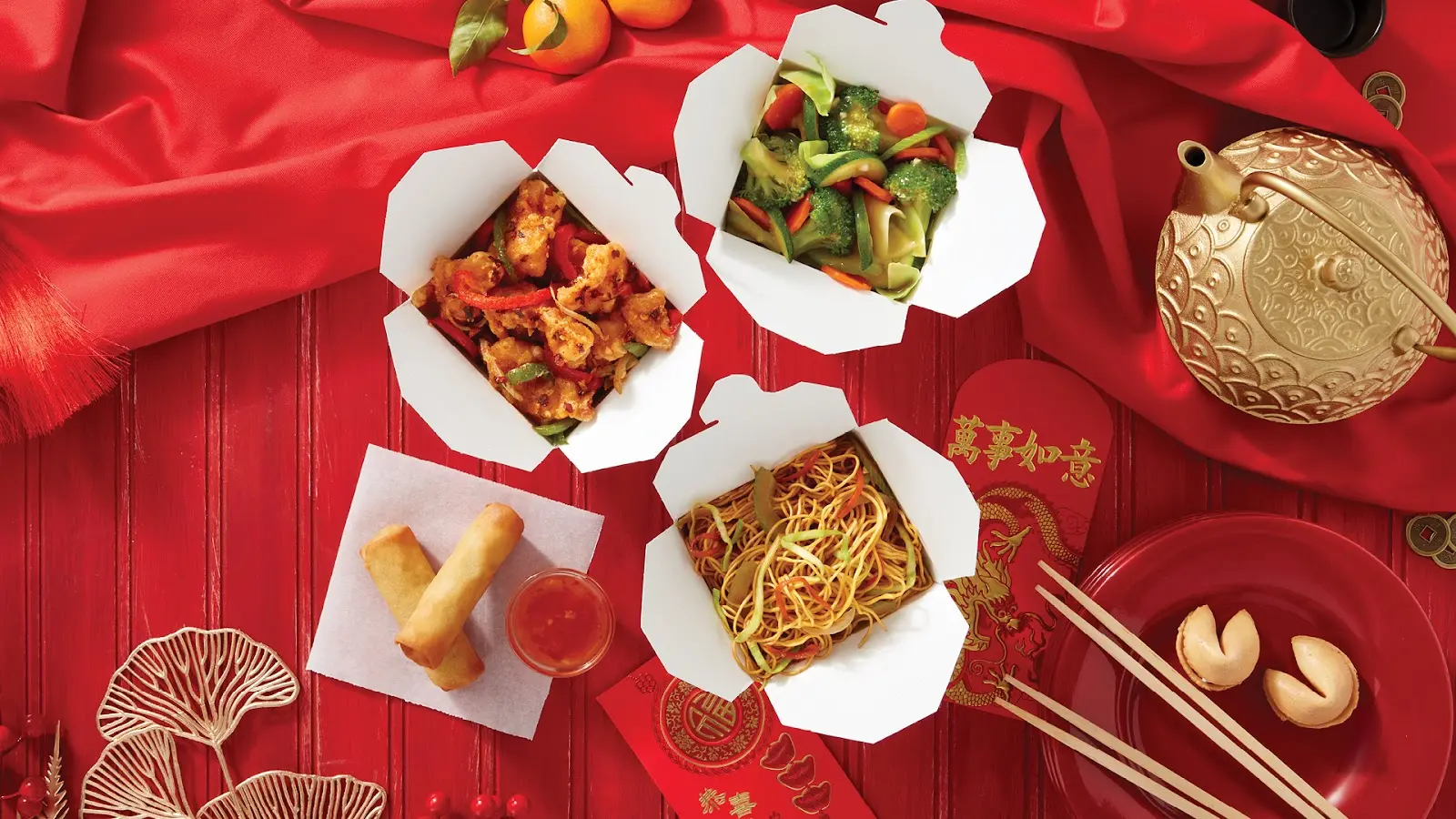
Walk into any food court, scroll through a delivery app, or browse the frozen aisle at your local grocery store, and one thing becomes clear: Asian cuisine has firmly established itself in North American dining culture.
From gochujang-glazed wings at sports bars to yuzu-infused cocktails at upscale lounges, these flavours are everywhere. But this isn’t just a passing trend. The numbers tell a much bigger story: one of sustained market growth, shifting consumer preferences, and significant opportunities for those paying attention.
The Asian Food Market: Growth by the Numbers
In Canada, Asian cuisine has evolved from a niche to a core part of the restaurant industry. In 2022, Asian full-service restaurants generated just over one-fifth of all full-service restaurant sales, and this segment is forecasted to grow at around 6.9% per year between 2022 and 2027 (Agriculture and Agri-Food Canada, Foodservice in Canada).
This isn’t a coastal phenomenon limited to Canada. Asian cuisine has become part of mainstream dining across the continent.
Korean Cuisine: The Fastest-Growing Segment
If one cuisine is defining the current moment, it’s Korean.
Korean cuisine has seen a sharp rise in presence on restaurant menus, with Korean beef bowls up five per cent and pork dishes up eight per cent over the past year, with growth happening across both full‑service and quick‑service segments (Foodservice and Hospitality Magazine, Technomic Ignite menu data).

Korean cuisine’s rapid expansion across North America is creating significant franchise opportunities. Concepts like Kimchi Korean Delight and Koryo Korean BBQ, part of MTY Group’s diverse Asian portfolio, are positioned to capitalize on the growing demand for Korean flavours and dining experiences that align with consumer preferences for bold, authentic, and innovative culinary offerings.
K-Culture Fuels Culinary Demand
The Korean Wave (Hallyu) has done more for Korean food than any marketing campaign could. K-dramas, K-pop, and Korean cinema have introduced millions of viewers to the cuisine, creating demand that restaurants are now working to meet. When viewers see characters sharing bibimbap or grilling meat at a Korean BBQ table, they want to experience it themselves.
Trending Korean Ingredients and Dishes
Gochujang has become the breakout star. This fermented red chilli paste (sweet, spicy, and rich with umami) is appearing everywhere. Korean‑inspired condiments like gochujang are now counted among the fastest‑growing global condiments on Canadian menus, reflecting the rise of bold, spicy flavours and the growing influence of Korean cuisine in the country (Gochujang Market Analysis 2026).
Fermented foods, including kimchi and natto, grew by 18% in supermarket listings in 2023, and North America is now the fastest‑growing kimchi market globally, with demand in Canada boosted by rising interest in gut health and plant‑based eating (Asian Cuisine Market Size, Share | Research Report to 2033; Kimchi Market Growth Insights, Statistics, and Forecast). Korean fried chicken continues gaining traction, while dishes like tteokbokki and kimbap are building recognition beyond Korean communities.
Concepts like Kimchi Korean Delight and Koryo Korean BBQ offer established franchise systems built around these trending flavours.
Chinese Cuisine: The Market Leader
While Korean cuisine captures headlines for growth, Chinese cuisine remains the foundation of the Asian restaurant industry in North America. Chinese cuisine holds approximately 36% of the U.S. Asian food market share, the largest of any Asian cuisine category.
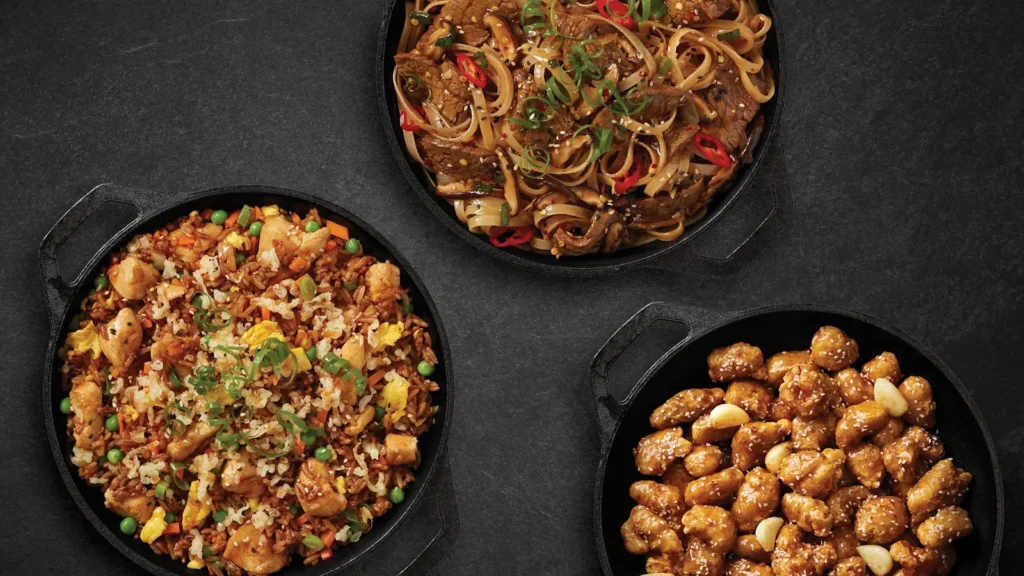
In Canada, Chinese restaurants operate within a full‑service restaurant sector that has grown at about 9.8% per year between 2020 and 2025 and now includes more than 78,000 businesses nationwide, with Asian restaurants as the largest full‑service category and Chinese cuisine ranked as the country’s most popular international cuisine (IBISWorld).
What’s driving continued growth? Adaptation. Chinese restaurants incorporating healthier preparations, transparent ingredient sourcing, and contemporary presentation are capturing demand from consumers who expect more from the category.
Manchu WOK, with over 45 years of continuous operation and more than 80 locations worldwide, demonstrates how established Chinese quick-service concepts maintain relevance through consistent quality and streamlined operations.
Japanese Cuisine: Quality and Craftsmanship
Japanese cuisine continues scaling through demand for sushi, ramen, and premium dining formats. The global Japanese restaurant segment now represents around 22% of the Asian restaurant market and is expected to grow in line with the broader industry at roughly 5.5% annually through 2034 (Asian Restaurant Market Size and Growth Trends, DojoBusiness).
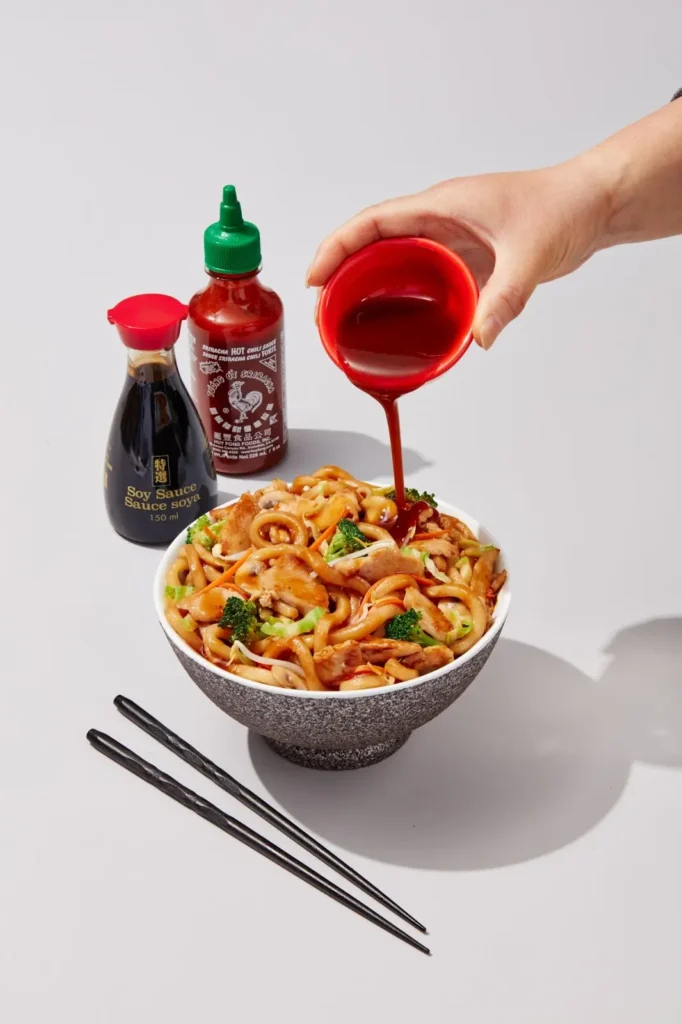
According to Datassential, Japanese curry is emerging from the adoption to the proliferation stage, indicating strong growth potential. Yuzu kosho (a citrus-chilli condiment) has shown 63% four-year growth on menus, while ingredients like dashi and furikake are finding new applications beyond traditional Japanese dishes.
The Japanese segment spans multiple formats within MTY Group:
- Sushi Shop, Poke by Sushi Shop and Yuzu Sushi focus on sushi and contemporary Japanese fare.
- Koya Japan and Sukiyaki offer quick-service Japanese options.
- Sushiman and Wasabi Grill and Noodle provide additional variety within the category.
Flavour Profiles Driving Consumer Demand
Beyond specific cuisines, certain flavour profiles are reshaping how consumers think about food.
Umami and Fermented Flavours
Miso has expanded well beyond soup. Kerry’s 2024 Taste Charts show that umami-rich ingredients are appearing in applications from marinades to beverages. Launches of products that support gut health have more than doubled in recent years, as shoppers look for options that feel good and offer more complex flavours Sector Trend Analysis – Packaged food trends in Canada).
Doenjang (fermented soybean paste) and ssamjang (the spicy-sweet sauce served with Korean BBQ) are gaining recognition as consumers explore Korean cuisine more deeply.
Citrus and Brightness
Yuzu (the Japanese citrus with its distinctive floral-tart profile) is appearing in everything from beers to mayonnaise to low-ABV wines. Kerry’s research shows yuzu trending across global markets, while calamansi and kumquat are emerging in beverage applications.
Thai and Vietnamese Cuisine: Fresh, Healthy, and Flavorful
Thai and Vietnamese restaurants are thriving on their reputation for fresh, healthy, and flavourful offerings. Both cuisines emphasize vegetables, herbs, and balanced preparations that align with contemporary eating preferences.The Asia-Pacific ethnic food market recognizes Thai and Vietnamese cuisines for their plant-based and vegan-friendly options. Pho, banh mi, and Thai curries have achieved broad consumer acceptance, while nuoc cham (Vietnamese dipping sauce) is being adapted as salad dressing, marinade, and even pasta sauce.

Thai fast-casual concepts are expanding nationwide. Thai Express and ThaiZone represent established franchise systems in this space, while Vie & Nam brings Vietnamese cuisine to the quick-service format
Consumer Behaviour Shaping These Trends
Two forces are accelerating Asian food adoption: generational preferences and the fusion factor.
Gen Z and Millennial Influence
Research indicates that 65% of Gen Z consumers actively seek value in their dining choices, with Asian flavours now overtaking traditional European cuisines in popularity among younger demographics. Social media—particularly TikTok—has driven rapid adoption of dishes like Korean ramen, with one brand rising from less than 1% of retail ramen sales in 2022 to over 4% in 2024.
Younger consumers want both authenticity and convenience. They’re willing to try unfamiliar dishes but expect accessible formats and transparent ingredients.
The Fusion Factor
Thirty-eight percent of fine-dining restaurants in North America and Europe are now integrating Asian-Western fusion elements. For example, Küto takes a different approach with its tartare-focused concept , it integrates Asian-inspired ingredients and techniques into its preparations.
Korean-Mexican fusion restaurants have grown 65% in 2024, reaching 1,247 locations worldwide.
Asian condiments (from Japanese mayo to katsu sauce) are being integrated into burgers, tacos, and familiar dishes. This cross-pollination introduces Asian flavours to consumers who might not seek out a dedicated Asian restaurant but enjoy discovering new taste combinations.
What These Trends Mean for the Restaurant Industry
The sustained growth of Asian cuisine across multiple categories suggests this isn’t a wave that will crest and recede. Consumer familiarity with Asian flavours continues to deepen, and demand spans quick-service, fast-casual, and full-service formats.
For entrepreneurs evaluating restaurant opportunities, Asian cuisine offers several structural advantages: established supply chains, proven flavour profiles with broad appeal, and consumer segments actively seeking these options.
Franchise systems provide operational frameworks, training, and brand recognition that can help operators enter this market with support. MTY Group’s portfolio includes 15 Asian cuisine concepts—from Chinese and Japanese to Korean, Thai, and Vietnamese—each with its own positioning and market focus.
Frequently Asked Questions
Which Asian cuisine is growing fastest in North America?
Korean cuisine is experiencing some of the fastest growth, and Canada is a clear example: Korean‑inspired beef bowls on Canadian menus are up five per cent, and pork dishes are up eight per cent over the past year, with growth happening across both full‑service and quick‑service formats (Foodservice and Hospitality Magazine, Technomic Ignite menu data).
K‑culture influence and growing interest in flavours like gochujang and Korean BBQ are driving this expansion.
What is gochujang, and why is it trending?
Gochujang is a Korean fermented red chilli paste with a sweet, spicy, and umami-rich flavour. It’s trending on restaurant menus and appearing in retail products from chips to sauces, driven by consumer demand for bold, complex flavours.
How large is the Asian food market in Canada?
Asian full‑service restaurants generate a little over 20% of all full‑service restaurant sales, and when you combine full‑ and limited‑service, Asian concepts account for around 10% of total restaurant spending nationwide (Agriculture and Agri‑Food Canada, Foodservice in Canada).
Canada also represents roughly 3–4% of the global ethnic food market and is one of the fastest‑growing ethnic‑food markets in North America, with ethnic cuisines—including Asian—expected to grow by just over 8% per year through 2030. (Grand View Research, Canada Ethnic Food Market; Global Ethnic Food Market Report).
What flavours define current Asian food trends?
Umami-rich profiles (miso, fermented ingredients), spicy-sweet combinations (gochujang, sambal), and bright citrus notes (yuzu, calamansi) are defining current trends. Consumers are seeking flavour complexity rather than simple heat.
Explore Asian Cuisine Franchise Opportunities
MTY Group operates 15 Asian cuisine concepts across Canada and North America, spanning Chinese, Japanese, Korean, Thai, and Vietnamese categories. Each brand offers its own market positioning, operational model, and growth trajectory.
If you’re interested in learning more about franchise opportunities in Asian cuisine, connect with our franchising team to start the conversation.
Related articles